Communal area Cleaning in W1G
Shared spaces set the tone for every building. Whether you manage a Georgian mansion block near Regent’s Park, a converted office building close to Harley Street, or a mixed-use property around Marylebone’s quieter streets, the condition of your communal areas affects how residents, tenants, visitors, and staff experience the building every day. Communal area Cleaning in W1G is not just about appearance; it is about hygiene, safety, comfort, and making sure the whole property feels well cared for.
In a busy and highly regarded part of central London like W1G, buildings often serve many different people at once. Hallways, entrance lobbies, lifts, stairwells, shared kitchens, internal glass, bin stores, and touchpoint-heavy areas need regular attention to stay presentable. A reliable cleaning schedule helps reduce dust, odours, litter, and the buildup that quickly becomes noticeable in communal spaces. It also supports property managers who want a dependable service that understands the practical realities of local buildings, access arrangements, and the expectations of occupants.
When people search for cleaning help in this area, they usually want something very specific: a local team that can work consistently, respect shared living and working environments, and deliver a standard that matches the character of W1G properties. That is exactly why a focused communal cleaning service matters. It keeps shared areas looking professional and makes everyday use much more pleasant for everyone.
Why communal cleaning matters in W1G buildings

W1G is known for a distinctive mix of residential and professional properties. You will find period apartment buildings, private medical practices, boutique offices, converted townhouses, and managed blocks where many people pass through the same spaces each day. In these settings, communal cleaning needs to be consistent, careful, and adapted to the building’s layout. A one-size-fits-all approach is rarely enough.
Shared areas are often the first part of a property people notice. Smudged glass, dusty skirting boards, stained floors, or an untidy bin area can quickly affect the impression of the whole building. For residents, it can feel frustrating if common parts are neglected. For landlords, agents, and block managers, it can lead to complaints and extra work. For businesses, it can affect how clients and staff feel when they arrive. Regular communal cleaning supports both presentation and day-to-day comfort.
It is also worth remembering that communal spaces are high-use zones. Door handles, lift buttons, bannisters, intercom panels, reception surfaces, and shared corridors pick up dirt quickly. A planned cleaning routine helps keep these areas hygienic and usable, while reducing the need for reactive “emergency cleans” that often cost more time and cause more disruption.
What our communal area cleaning service can cover
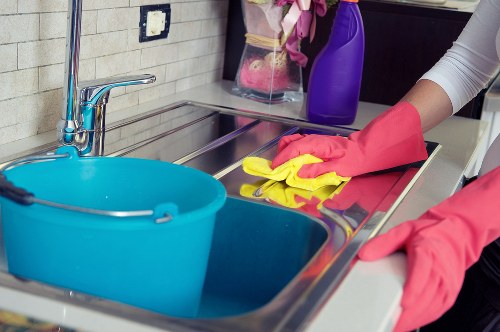
Every property is different, so the exact cleaning specification should reflect the building type, occupancy, and footfall. In W1G, that can mean anything from a small residential block with one staircase to a larger mixed-use property with multiple floors, shared entrances, and internal common spaces.
Typical tasks for communal area cleaning may include:
- Lobby and entrance cleaning
- Vacuuming and sweeping of corridors and stairwells
- Mopping hard floors and spot-cleaning marks
- Dusting skirting boards, ledges, and reachable surfaces
- Cleaning handrails, bannisters, door handles, switches, and other touchpoints
- Wiping glass doors, internal glass panels, and mirrors
- Cleaning lift interiors and call buttons
- Emptying and replacing bin liners in shared waste points where agreed
- Light cleaning of communal kitchens or staff areas
- Removing visible litter and tidying shared spaces
In some buildings, a more detailed service is needed, such as periodic deep cleaning of hard-to-reach corners, post-works cleaning after maintenance, or extra attention to high-traffic entrances during wet weather. A good service should be flexible enough to deal with those needs without turning the routine into a disruption for residents or occupiers.
Every building has its own rhythm. The right cleaning plan matches that rhythm instead of forcing the property to fit an inflexible schedule.
Local knowledge makes a real difference

There is a practical advantage to using a cleaning team that knows W1G well. The area includes busy roads, elegant residential streets, private medical buildings, and commercial premises that can all present different access and timing challenges. Some properties have restricted entry, concierge arrangements, lift codes, shared keys, or set cleaning windows to avoid disturbing occupants. Others have tight loading or parking conditions that make punctuality and planning especially important.
A local team can adapt more easily to these realities. That means planning around resident routines, office start times, service elevator access, or quieter parts of the day when cleaning can be carried out with minimal interruption. In a central London location where space is limited and footfall can be high, those small details make the service feel smoother and more professional.
W1G also includes properties with character: older staircases, decorative finishes, polished floors, painted walls, and communal spaces where careful cleaning is essential to avoid damage. Using suitable methods and products matters. The aim is not just to clean quickly, but to clean appropriately for the surfaces and finishes in the building.
Who benefits from communal area cleaning?

Communal cleaning is useful for a wide range of customers in W1G. It is not limited to one type of property or one type of client. The service is often arranged by those who need the shared areas of a building to remain tidy, safe, and welcoming without placing that responsibility on residents or in-house staff.
Residential customers and block managers
Apartment buildings and mansion blocks depend on clean shared spaces to create a good living environment. Residents notice when stairwells, entrances, and hallways are cared for. A regular cleaning plan helps reduce complaints, support a higher standard of presentation, and make the building feel orderly.
Landlords and letting agents
For landlords and agents, the condition of communal parts can influence viewings, tenant satisfaction, and overall property management efficiency. A tidy entrance or well-kept corridor sends a strong message that the building is maintained properly. It can also help protect surfaces by preventing grime from building up over time.
Commercial premises
Offices, clinics, professional suites, and mixed-use properties often need shared areas to reflect the professionalism of the businesses inside. Waiting areas, reception-adjacent spaces, corridors, stairs, and lift lobbies all benefit from a regular cleaning routine that keeps them fresh and presentable.
Property management companies
Managing multiple buildings or multiple occupiers means consistency is essential. Property managers often need a cleaning provider that communicates clearly, follows agreed instructions, and understands the difference between routine maintenance cleaning and more intensive one-off work.
What to expect from a professional service
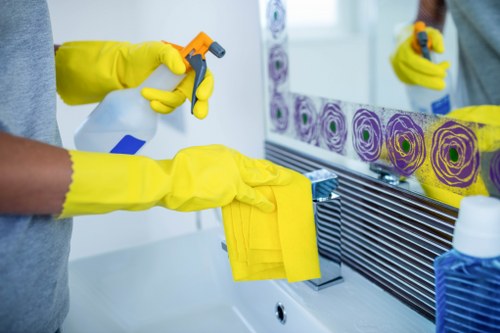
When you arrange communal area cleaning in W1G, you should expect a service that is organised, discreet, and easy to work with. A professional cleaner does more than simply pass through the building with a mop and vacuum. The service should be planned around the property’s needs, checked against a clear schedule, and delivered in a way that fits the people who use the building.
Good service usually involves:
- A clear understanding of the property layout and access requirements
- A cleaning checklist tailored to the building
- Regular attendance at agreed times
- Attention to detail in high-touch and high-visibility areas
- Appropriate cleaning methods for different surfaces
- Respect for residents, tenants, visitors, and building rules
- Flexible support when extra tasks are needed
Many customers also value a team that can adjust frequency when the building changes. For example, a block may need more frequent cleaning in winter because of rain and mud, or a commercial property may need enhanced service after a change in occupancy. The best providers can adapt without making the process difficult.
Reliability is one of the biggest benefits. Once the routine is agreed, the property can be maintained consistently instead of relying on occasional catch-up cleaning.
How the service usually works
Step 1: Understanding the property
The process starts with learning about the building. That includes the number of floors, the type of flooring, whether lifts or shared kitchens are present, access arrangements, and how much traffic the communal areas receive. This helps shape a realistic cleaning schedule and ensures the work is suitable for the property.
Step 2: Setting the cleaning routine
Some buildings need daily attention. Others are best served by weekly, twice-weekly, or bespoke visits. A routine can include standard tasks every time, with more detailed items added at set intervals. This keeps the building looking cared for without overdoing the service or missing key areas.
Step 3: Carrying out the cleaning
On the day of service, the cleaner follows the agreed checklist and pays attention to visible dirt, fingerprints, dust accumulation, and the normal signs of shared use. The aim is to leave the area clean, tidy, and ready for residents or occupiers to use comfortably.
Step 4: Ongoing review
Properties evolve. Occupancy changes, weather affects foot traffic, building works take place, and seasonal issues arise. A good communal cleaning arrangement allows room for review so the service can remain practical and effective over time.
Areas commonly covered in and around W1G
W1G sits in a central and well-connected part of London, and the cleaning needs in the area are shaped by that location. Buildings close to Marylebone, Fitzrovia, Harley Street, and the surrounding streets often have different demands, but the common theme is the need for careful, professional communal cleaning that suits a busy central environment.
Typical property types and settings in the area may include:
- Purpose-built apartment blocks
- Converted townhouses
- Private residential developments
- Managed mansion blocks
- Professional offices and clinics
- Mixed residential and commercial buildings
- Shared corridors and stairwells in older properties
- Reception and lobby spaces in smaller business premises
Because W1G includes buildings of different ages and styles, the service often needs a mix of care and practicality. A polished entrance in a period property may need gentler methods than a modern office corridor, while an older staircase may require more attention to dust in corners and on ledges. This is why local knowledge and experience with varied property types matter so much.
Preparation checklist for residents and building managers
To help the service run smoothly, a little preparation can make a real difference. This does not need to be complicated, but it helps cleaners work efficiently and safely, especially in shared buildings where access and timing matter.
Before the first visit, it helps to:
- Confirm which communal areas are included in the cleaning schedule
- Let the team know about access codes, key holding arrangements, or concierge procedures
- Identify any delicate surfaces, restricted areas, or special instructions
- Share preferred cleaning times if the building has quiet periods
- Point out any recurring problem spots such as entrance dirt, lift marks, or bin area issues
- Tell residents or occupiers what the cleaning schedule will be so expectations are clear
If the property has recently had repairs, decorating, or refurbishment work, it is also helpful to mention that in advance. Post-work dust and residue can affect shared areas, and the cleaning approach may need to be adjusted accordingly.
A clear handover saves time later. It also helps ensure the cleaning starts on the right foot and continues in a way that suits the property.
Pricing factors and what affects the quote
Customers often want to know what influences the cost of communal area cleaning in W1G. While exact prices vary depending on the building, the key factors are usually straightforward. Honest pricing should reflect the actual work required, rather than relying on vague assumptions.
Common pricing factors include:
- Size of the communal areas
- Number of floors and staircases
- Frequency of visits
- Level of foot traffic
- Type of flooring and finishes
- Presence of lifts, glass, or shared amenities
- Access conditions and any special timing requirements
- Whether the job is routine cleaning, deep cleaning, or a one-off refresh
Buildings with more detailed features or more demanding access arrangements may require additional planning, while smaller properties may need a simpler schedule. The most useful quote is one based on the actual site conditions, so the service matches the building rather than assuming a standard size or layout.
If you are comparing options, ask what is included, how often the service will take place, and whether the cleaning plan can be adjusted if the building’s needs change. Clarity at the start is always helpful.
Why choose a local company for W1G communal cleaning?
A local company is often easier to work with because it understands the area and the practical issues that come with central London buildings. W1G properties can have restricted loading space, busy nearby streets, residents with different schedules, and a strong expectation of neat presentation. A cleaning provider that is familiar with those conditions can plan more effectively and respond more quickly when changes arise.
There is also value in having cleaners who understand the difference between a residential block and a business property. The needs of a quiet staircase in an apartment building are different from the needs of a professional entrance used by staff and visitors throughout the day. Local experience helps ensure the cleaning approach matches the setting.
Choosing a nearby team can also make communication easier. If there is an issue, a schedule change, or an additional task, it is much simpler to deal with a provider that already works regularly in the area and understands the local pace of life.
Health, hygiene, and everyday presentation
Clean communal areas do more than look good. They support the daily wellbeing of the people who use the building. Dust and dirt can collect quickly in shared corridors, and touchpoints such as railings, switches, and handles are used by many people throughout the day. Regular cleaning helps keep these areas more hygienic and pleasant to use.
Presentation matters too. A clean entrance can improve the first impression for visitors, reduce the sense of neglect, and make residents feel more comfortable where they live. In commercial settings, neat shared spaces contribute to a professional atmosphere and help staff and clients feel at ease as soon as they arrive.
This is especially important in W1G, where properties often have a refined appearance and are expected to stay in good condition. Maintaining communal areas consistently is one of the simplest ways to protect that standard.
Common questions from local customers
How often should communal areas be cleaned?
It depends on the building. A small, low-traffic property may only need weekly attention, while a busier block or commercial premises may need more frequent visits. The right frequency depends on footfall, layout, and how quickly the shared areas get dirty.
Can cleaning be arranged around residents or business hours?
Yes. Many W1G buildings need cleaning at specific times to avoid disruption. Early morning, daytime, or between-occupancy schedules can often be arranged depending on access and the nature of the property.
What if the building has delicate finishes?
That should be taken into account from the start. Older properties, polished surfaces, glass details, and decorative finishes need suitable products and careful handling. It is important that the cleaning approach matches the materials in the building.
Do you clean bin areas and shared waste points?
Where agreed, yes. Bin areas can become a source of odours and mess if they are not maintained. Including them in the schedule can help keep the whole property fresher and more orderly.
Can the service include one-off deep cleaning?
Many communal cleaning arrangements can be supplemented with deeper attention when needed, such as after works, before a change in occupancy, or during seasonal refreshes.
What a good cleaning specification might look like
Some customers like to know what a regular plan can include in practical terms. While every building is different, a solid specification often covers the areas most people see and touch each day.
Example areas for routine focus
- Main entrance and lobby
- Internal hallways
- Staircases and landings
- Lift interiors and surrounding panels
- Door glass and handles
- Handrails and bannisters
- Skirting boards and visible ledges
- Communal notice boards and nearby surfaces
- Bin store access points where relevant
Optional extras depending on the building
- Periodic deep dusting
- Enhanced floor care
- Internal window and glass polishing
- Spot cleaning of marks on walls or doors
- Additional cleaning after contractors have visited
The aim is to make the whole building feel looked after without making the routine overly complicated. A clear plan also helps residents and managers know what to expect each visit.
Why consistency matters more than occasional big cleans
It can be tempting to leave communal cleaning until the building starts to look tired and then arrange a larger clean. But shared areas benefit more from consistent care than from occasional rescue work. Regular cleaning helps prevent grime from becoming embedded, reduces the amount of visible dust, and keeps the building looking better throughout the year.
For residents, that means fewer complaints and a more pleasant daily environment. For property managers, it means less time spent dealing with avoidable presentation issues. For businesses, it means shared areas remain in step with the professional image they want to present.
Consistency is especially valuable in W1G, where buildings are often expected to maintain a high standard and where small issues can become noticeable quickly.
Request a quote for communal area cleaning in W1G
If your building needs dependable, well-planned communal cleaning, now is the right time to arrange a service that fits the property properly. Whether you manage a residential block, a mixed-use building, or a commercial premises with shared spaces, a local team can help keep the communal areas clean, tidy, and ready for everyday use.
When you are ready, contact us today to discuss your building’s requirements, ask about a regular schedule, or request a free quote based on your actual property needs. If you already know the areas you want covered, you can move straight to booking and get the cleaning routine in place without delay.
Book your service now and give your W1G building the level of care its shared spaces deserve.